


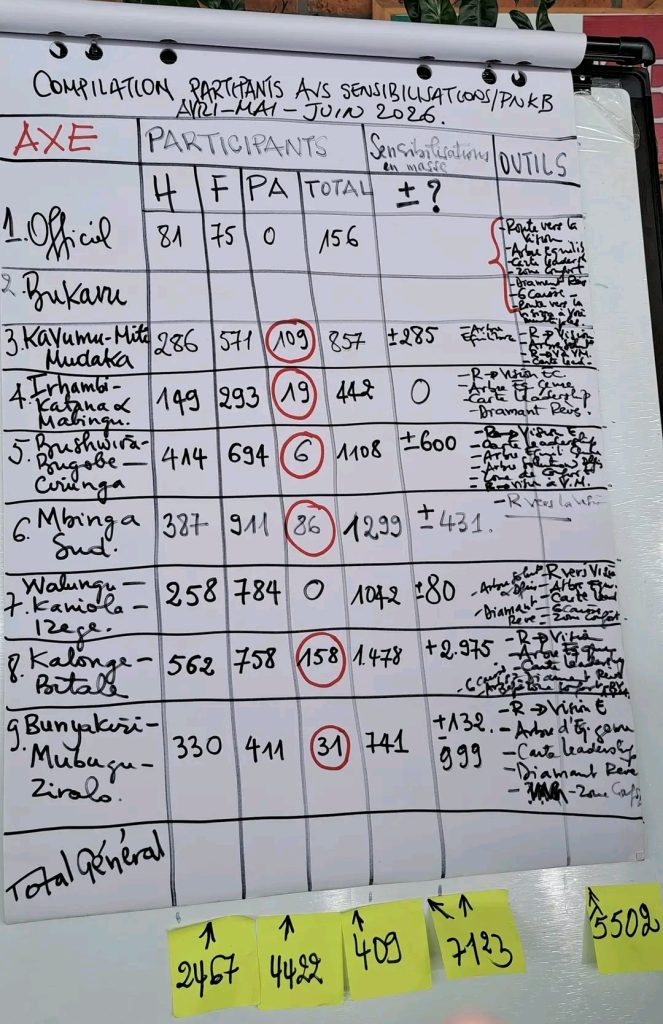
Nearly 20,000 people living around Kahuzi-Biega National Park (PNKB) have participated in a community empowerment programme designed to strengthen household resilience while supporting biodiversity conservation, according to park authorities.
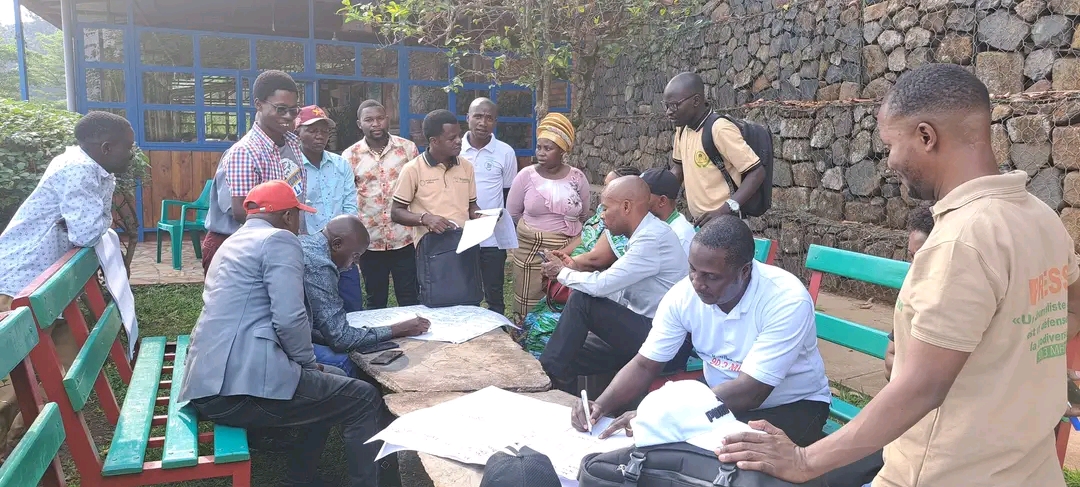
The figures were presented during a three-day review workshop held from 15 to 17 July 2026, bringing together volunteer community facilitators and PNKB staff to assess six months of implementation of the Gender Action Learning System (GALS) approach.
The initiative, launched in January 2026, relies on trained volunteers from communities surrounding the park to facilitate discussions on household decision-making, income generation, gender equality and sustainable livelihoods.
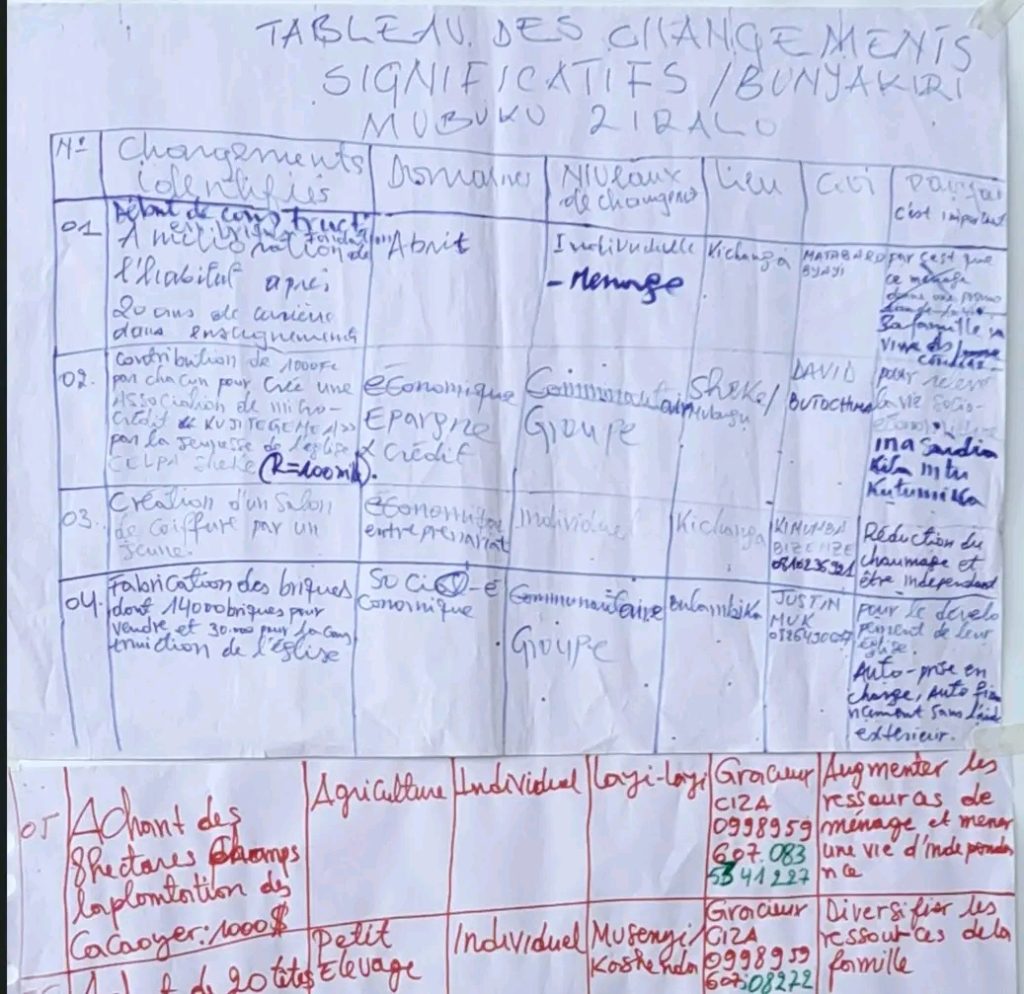
According to PNKB, facilitators documented nearly 150 « change stories », describing households that now make financial decisions jointly, have diversified their income sources, improved living conditions or launched community-based initiatives. »
These changes suggest that families are beginning to adopt new ways of managing their resources while strengthening social cohesion, » participants noted during the workshop.
Linking livelihoods and conservation
Kahuzi-Biega National Park, a UNESCO World Heritage Site in eastern DR Congo, has long faced pressures from illegal resource extraction, agricultural expansion and insecurity affecting surrounding communities.
Park managers argue that improving household livelihoods is essential to reducing dependence on forest resources.
As part of the workshop, participants were introduced to a new GALS planning tool known as the Income and Expenditure Tree, which helps families map their income sources, identify unnecessary expenses and make informed financial decisions.
According to facilitators, the tool is expected to support households in planning investments and strengthening their economic resilience.
Community volunteers at the centre
Rather than relying solely on conservation officers, the programme is implemented through volunteer facilitators selected within local communities.
PNKB says this peer-to-peer approach has helped build trust and encourage discussions on family planning, resource management and economic opportunities compatible with forest conservation.
While park authorities describe the first six months as encouraging, the long-term impact of the programme will depend on whether behavioural changes translate into sustained improvements in household incomes and reduced pressure on protected forests.
For conservation practitioners, initiatives such as GALS are increasingly viewed as complementary to law enforcement, recognising that protecting biodiversity often depends as much on improving local livelihoods as on protecting ecosystems themselves.